VLA 기반 Physical AI에서 Reversible action 기반 실시간 보안 스케줄링 프레임워크
연구기간
2026 – 2031
지원기관
한국연구재단 (NRF)
AI와 디바이스의 융합을 시스템 관점에서 접근하여, 학문적 연구를 넘어 실제 산업에 적용할 수 있는 시스템을 구현합니다.

사이버물리시스템의 안전성·실시간성
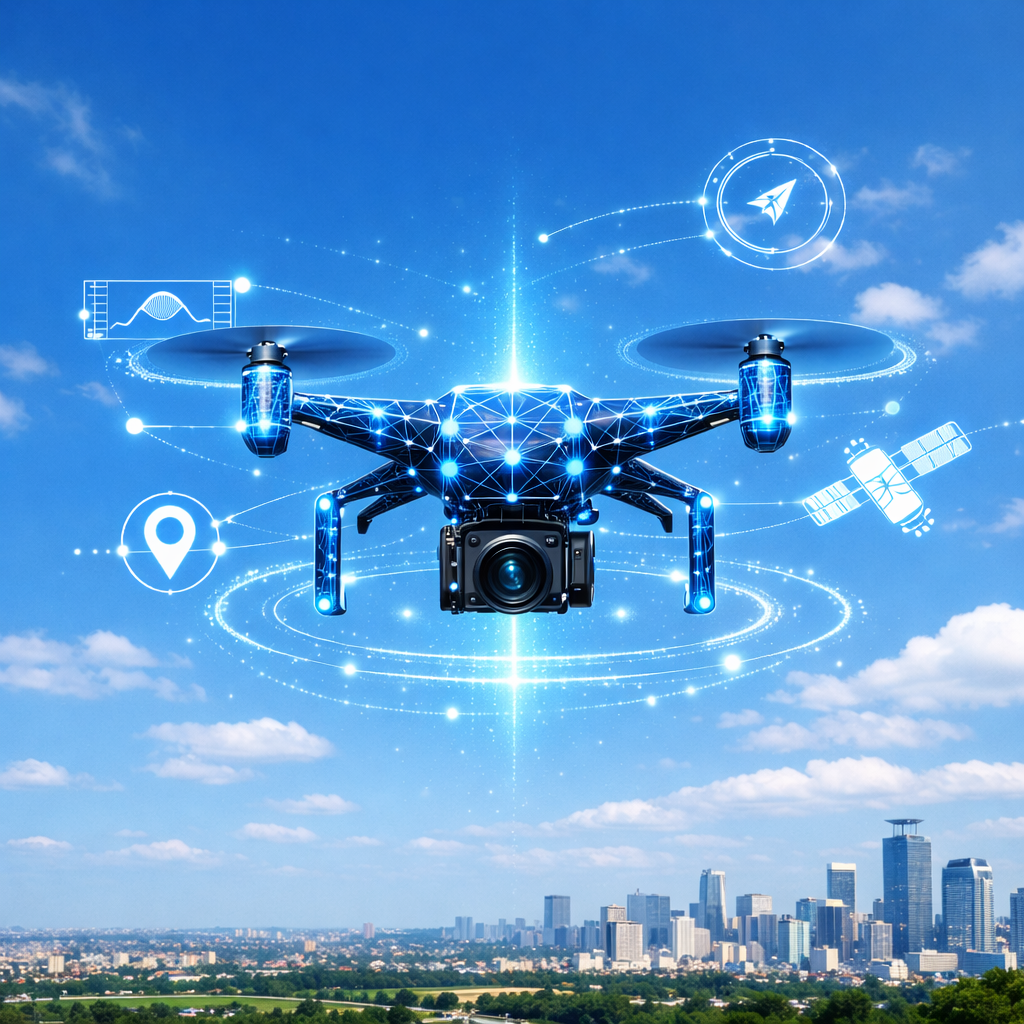
사이버물리시스템(CPS)은 물리 환경을 감지하고 제어하는 차세대 컴퓨터 시스템으로, 자율주행 차량과 무인 항공기, 지능형 수술 로봇이 대표적인 예입니다. CPS는 시간에 민감한 물리 개체와 상호작용하기 때문에 실시간성이 핵심입니다. 실시간 시스템의 성능은 처리량이나 평균 응답 속도가 아니라 마감시한(deadline) 준수 여부로 평가되며, 시간 제약에 대한 예측 가능성이 가장 중요한 속성입니다.
또한 항공·자동차와 같은 안전 필수 시스템은 중요도가 서로 다른 여러 기능이 하나의 플랫폼에 통합되는 방향으로 발전하고 있습니다. 예를 들어 무인 항공기는 비행 관련 고중요도 기능과 임무 관련 저중요도 기능으로 구성됩니다. 이러한 혼합 중요도(Mixed-Criticality) 시스템에서는 고중요도 기능의 시간 보장을 유지하면서 전체 자원 활용률을 함께 높이는 스케줄링 기법이 핵심 과제입니다.
물리 세계에서 동작하는 AI 시스템
Physical AI는 데이터센터가 아니라 차량·로봇·센서와 같은 물리 장치 위에서 직접 동작하며, 인식한 결과로 물리 환경을 바꾸는 AI를 뜻합니다. 클라우드 기반 AI와 달리 연산 자원과 전력, 그리고 무엇보다 응답 시간이 엄격하게 제한되며, 추론이 늦으면 결과가 아무리 정확해도 쓸모가 없습니다.
따라서 Physical AI는 모델의 정확도만이 아니라 시스템 관점의 설계를 요구합니다. 제한된 임베디드 환경에서 정확도와 실시간성을 함께 만족시키는 적응형 추론 구조, 인식 파이프라인의 지연 시간 예측과 보장, 그리고 물리 세계와 디지털 모델을 동기화하는 디지털 트윈 기술이 주요 연구 주제입니다.

AI 모델과 데이터의 보안·프라이버시
연합학습(Federated Learning)은 데이터를 서버로 모으지 않고 분산된 클라이언트에서 학습한 모델만 수집하여 프라이버시를 보장하는 학습 방식입니다. 다만 클라이언트의 통신 대역폭이 제한적이고 네트워크 환경이 불안정한 경우가 많아, 대량의 가중치를 주고받는 기존 집계 알고리즘은 정확도가 크게 떨어집니다. 통신 비용을 줄이면서도 전역 모델의 정확도를 유지하는 집계·최적화 기법이 핵심 과제입니다.
학습된 모델 자체의 보안도 함께 다룹니다. 객체 탐지 모델을 무력화하는 적대적 패치 공격에 대한 방어, 데이터가 동의 없이 학습에 쓰이지 못하게 만드는 학습 불가 데이터(unlearnable examples) 등 모델과 데이터 양쪽을 지키는 방법을 연구합니다.
정부·기업과 함께 수행한 연구 과제입니다.
2026 – 2031
한국연구재단 (NRF)
2024 – 2026
42dot
2022 – 2026
한국연구재단
2020 – 2027
교육부
2020 – 2027
정보통신기획평가원 (IITP)
2019 – 2022
에너지기술평가원
2019 – 2023
한국산업기술보호협회
2018 – 2021
한국연구재단 (NRF)
2018 – 2024
정보통신기획평가원 (IITP)